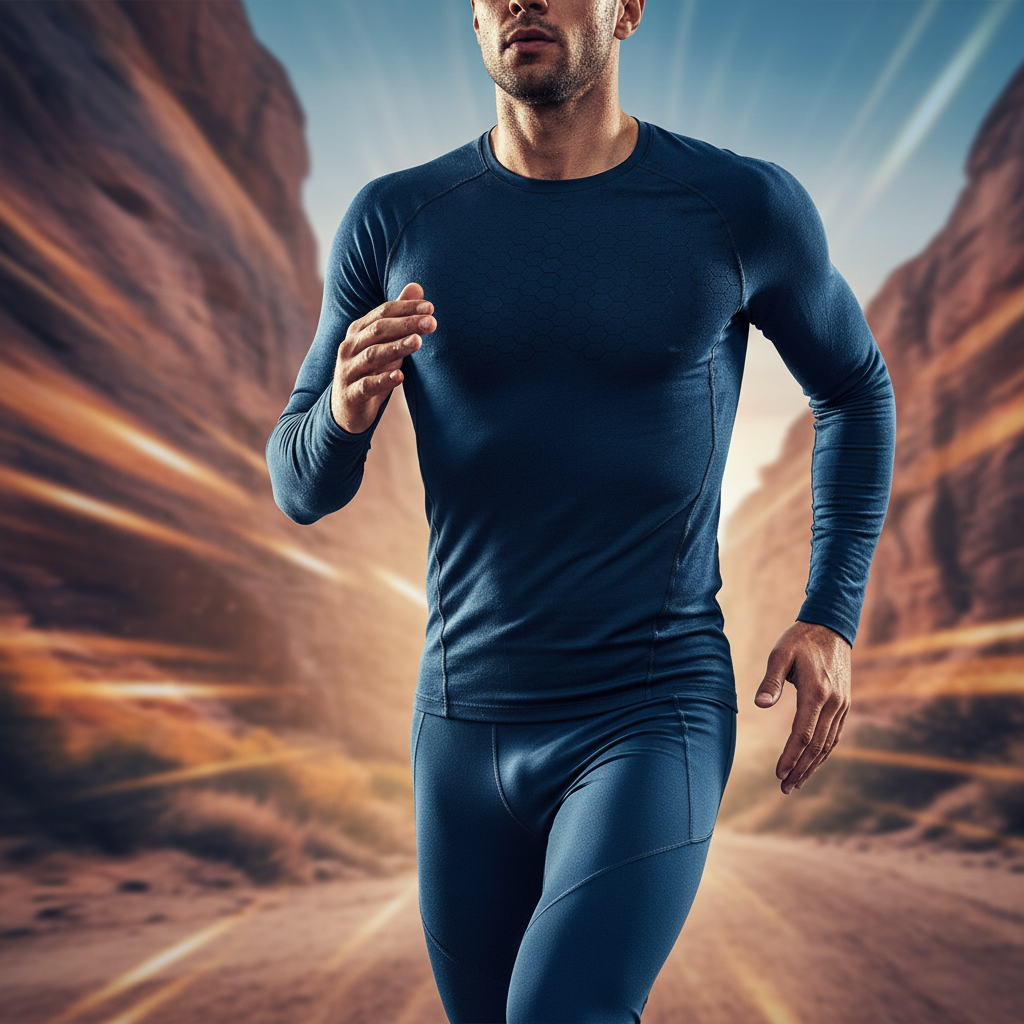
This article evaluates top-rated moisture-wicking shirts, tights, and compression wear designed specifically for runners, comparing how each option performs across different weather conditions and running intensities.
When temperatures drop and intensity rises, the right base layers and compression gear can make the difference between a comfortable run and a miserable slog. We've tested and evaluated the top moisture-wicking shirts, tights, and compression wear designed specifically for runners to help you find the perfect gear for your training needs.
Moisture-wicking technology draws sweat away from your skin and moves it to the fabric's outer layer where it can evaporate quickly. This process is essential for temperature regulation—when sweat stays on your skin, it can actually impair your body's ability to cool itself. Quality base layers use specialized capillary action in the fabric weave to pull moisture away efficiently.
Compression gear offers different benefits. By applying graduated pressure to muscles, compression tights and sleeves can improve blood circulation, reduce muscle vibration during running, and potentially speed recovery time. While research shows mixed results on performance enhancement during runs, many runners report feeling more supported and recovering faster when wearing compression gear.
The Smartwool Classic All-Season Merino Base Layer stands out as our top overall pick for base layer shirts. Made from 100% merino wool, this layer excels at moisture-wicking, temperature regulation, and odor resistance. During testing, it remained soft and functional even after months of mixed-use including high-output trail runs and cold-weather training.
Performance Highlights:
- Naturally wicks moisture while staying warm even when wet
- Tagless design reduces chafing during long runs
- Quarter-zip option allows for easy temperature regulation
- Machine washable, unlike many merino competitors
- Strategically placed seams prevent backpack chafing for trail runners
What Buyers Say: Amazon and retail reviewers consistently praise the softness and versatility of this base layer. Users note it handles fluctuating temperatures well, from cool morning starts to warmer afternoon conditions. The main critique centers on price, though most agree the durability justifies the investment.
For synthetic base layer enthusiasts, the Patagonia Capilene Midweight Crew has been a leader in breathability for years. This layer uses hollow-core yarns with a diamond-grid pattern inside to trap warmth while wicking moisture effectively. It features elastic thumb loops for extra hand coverage and HeiQ Mint odor control technology.
Performance Highlights:
- Supremely breathable for high-output activities
- Quick-drying synthetic fabric
- Made in Fair Trade Certified factory with 1% of sales donated to environmental nonprofits
- Durable construction withstands repeated washing
What Buyers Say: Runners appreciate how this shirt manages both warmth and breathability. Target and Walmart customers note it's thin enough to layer comfortably but warm enough for temperatures down to the low 30s Fahrenheit. Some users mention the odor control doesn't match wool products but performs better than basic synthetic layers.
Nike Dri-FIT running shirts remain a budget-friendly option for moisture management. Nike's proprietary Dri-FIT technology keeps users dry through capillary action, pulling sweat to the fabric surface. Available in short and long-sleeve options, these shirts offer versatility for different weather conditions.
Performance Highlights:
- Affordable pricing ($25-$45 range)
- Wide variety of colors and styles
- Lightweight, breathable fabric
- Quick-drying synthetic material
What Buyers Say: Amazon reviewers give Nike Dri-FIT shirts high marks for value and performance. Users report the shirts wick sweat effectively and dry quickly, though some note they're not as warm as merino options for cold-weather running. The fit runs true to size, and the fabric holds up well through repeated washing.
The CW-X Endurance Generator Tights feature patented EXO-WEB technology that mimics kinesiology taping to provide targeted support to major muscle groups and joints. These tights stand out for runners dealing with knee pain or IT band issues, offering structured support for knees, hips, and core muscles.
Performance Highlights:
- Unique patterned compression provides joint and muscle support
- Improves blood flow and muscle stabilization
- Moisture-wicking fabric keeps skin dry
- Particularly effective for long-distance training
- Durable construction lasts through years of use
What Buyers Say: Runners consistently report these tights have been "game changers" for dealing with knee and IT band pain. Amazon reviews mention the tights are thicker and warmer than typical compression gear, making them ideal for winter marathon training. Users note they're tight by design—that's how they provide therapeutic support—so sizing should be carefully considered.
2XU Motion Compression Tights use graduated compression and muscle containment stamping (MCS) with targeted compression panels on key muscle groups including quads, hamstrings, and calves. The firm compression increases blood flow to muscles to improve performance and accelerate recovery.
Performance Highlights:
- Graduated compression optimizes blood flow
- Moisture-wicking, quick-drying fabric
- Comfortable and flexible despite firm compression
- No-bounce pocket for essentials
- Reflective design for night-time running visibility
What Buyers Say: Walmart and sporting goods retailers report strong satisfaction with these tights. Users appreciate the compressive feel without restriction, noting they help with muscle support during long runs. Some runners mention the waistband fit can be inconsistent during very long efforts, but overall the performance justifies the premium price point.
The Nike Pro Training Tights offer an excellent balance of compression and comfort at a more accessible price point. Made with four-way stretch breathable fabric, these tights provide mobility while Nike's Dri-Fit technology keeps users dry. The zippered ankles make them easy to get on and off.
Performance Highlights:
- Strong balance between comfort and compression
- Four-way stretch allows full range of motion
- Elastic waistband with mesh wrap provides secure, comfortable fit
- Zippered ankles for easy on/off
- Small rear pocket for essentials
What Buyers Say: These are frequently described as the "most comfortable" compression tights by Amazon reviewers. Multiple users report wearing them successfully during cold, rainy marathons with excellent results. The tights provide satisfactory recovery benefits and warmth, though some note they're not as tight as medical-grade compression options.
CEP Progressive Calf Sleeves offer medical-grade graduated compression (22 mmHg at ankle) to optimize blood flow and oxygenation. The sleeves reduce calf muscle vibrations during running and feature quick-drying, breathable fabric with odor-reducing silver ions.
Performance Highlights:
- Medical-grade compression rating
- Reduces muscle vibration and fatigue
- Top band keeps sleeves securely in place
- Quick-drying, breathable fabric
- Antimicrobial treatment fights odors
What Buyers Say: Target and specialty running store customers report these sleeves help them run longer and recover faster between sessions. The compression level receives consistent praise—tight enough to be effective but not so constrictive as to be uncomfortable. Users appreciate the durability and quality construction.
PRO Compression Marathon Socks provide graduated compression from ankle to calf with reinforced cuffs that don't cut off circulation. Despite their ultralight feel and hot-weather breathability, these socks deliver more compression than many thicker options, with added ribbing for shin splint relief.
Performance Highlights:
- Ultralight construction with strong compression
- Excellent sweat-wicking keeps feet and legs dry
- Shin splint relief ribbing
- Breathable for warm-weather runs
What Buyers Say: Amazon reviewers consistently mention these as "go-to" socks for long runs and race day. Users report they really help with recovery when worn immediately after races. The main drawback noted is durability—as ultralight gear, they tend to wear out faster than heavier socks, typically lasting one full season.
The choice between merino wool and synthetic fabrics depends on your priorities and running conditions.
Merino Wool Advantages:
- Superior odor resistance for multi-day wear
- Excellent temperature regulation in variable conditions
- Stays warm even when wet
- Soft, comfortable feel against skin
- Natural moisture-wicking through capillary action
Merino Wool Drawbacks:
- Higher cost than synthetic options
- Slower drying time when fully saturated
- Requires more delicate care
- Can be too warm for high-output summer running
Synthetic Fabric Advantages:
- Quick-drying performance
- Lower cost and wider availability
- Durable and easy to care for
- Lightweight options for hot weather
- Excellent for high-intensity workouts
Synthetic Fabric Drawbacks:
- Retains odors more readily than wool
- Less effective temperature regulation
- Can feel clammy when saturated with sweat
- Lower-quality options prone to pilling
For freezing conditions, prioritize warmth and layering capability. The Smartwool Classic Thermal or Helly Hansen LIFA Merino base layers provide insulation while managing moisture from high-output runs. Pair with CW-X compression tights for joint support and warmth. The compression helps maintain blood flow to extremities in cold conditions.
This temperature range requires versatile gear that adapts as you warm up. The Patagonia Capilene Midweight offers excellent breathability with adequate warmth. Look for base layers with quarter-zips to dump heat as needed. Standard compression tights work well here without causing overheating.
Prioritize lightweight, quick-drying fabrics with maximum breathability. Nike Dri-FIT and other synthetic options excel in hot conditions. Consider compression sleeves instead of full tights to get support benefits without excess warmth. Ultralight base layers or technical running shirts provide moisture management without insulation.
Proper fit is crucial for both base layers and compression gear. Base layers should sit close to the skin without restriction—they need contact to wick moisture effectively but shouldn't bind during movement. Look for raglan sleeves and gusseted underarms for better mobility.
Compression gear should feel decidedly snug. If you can easily pull the fabric away from your skin, it's not providing adequate compression. However, it shouldn't restrict breathing or circulation. For compression socks and tights, measure your calves and ankles carefully and consult manufacturer sizing charts—compression gear sizing varies significantly between brands.
Many runners find they need to size down in base layers for optimal moisture-wicking performance, but size according to the manufacturer's recommendations for compression gear, as improper fit negates the benefits.
Proper care extends the life and performance of moisture-wicking and compression gear:
- Wash in cold water to preserve fabric elasticity and wicking properties
- Skip fabric softener, which clogs moisture-wicking fibers
- Air dry when possible, especially for merino wool and compression gear
- Turn garments inside out before washing to reduce pilling
- Use gentle detergents designed for technical fabrics
- Avoid high heat in dryers, which can damage elastic fibers in compression gear
The best moisture-wicking base layers and compression gear depend on your individual needs, running intensity, and local climate. For cold-weather runners prioritizing durability and temperature regulation, merino wool base layers like the Smartwool Classic offer unmatched performance. Budget-conscious runners will find excellent value in Nike's Dri-FIT line, which delivers solid moisture management at accessible prices.
For compression gear, runners dealing with joint issues should invest in the CW-X Endurance Generator tights with their targeted support system. Those seeking general muscle support and recovery benefits will find the 2XU Motion or Nike Pro tights provide excellent graduated compression at varying price points.
Remember that moisture-wicking and compression gear work best as part of a complete layering system. Invest in quality base layers that match your typical running conditions, and build your wardrobe with pieces that work together across temperature ranges. With the right gear, you'll stay comfortable, dry, and supported through every season and every mile.