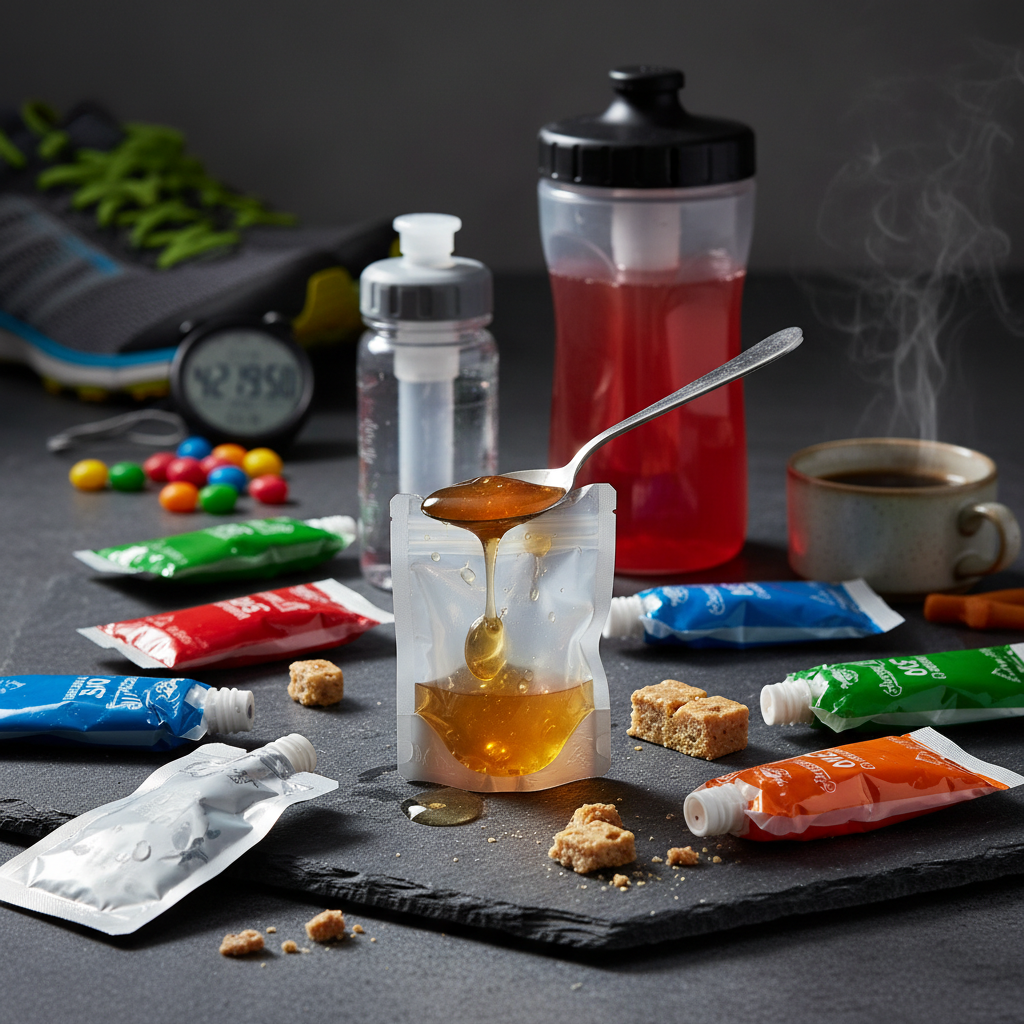
This article reviews the top running gels, energy chews, and sports drinks that keep marathon runners fueled and energized during long-distance training and race day, with detailed testing of flavor profiles, stomach compatibility, and sustained energy benefits.
When you're pushing through mile 18 of a marathon and your glycogen stores are running on empty, the right sports nutrition can mean the difference between hitting the wall and finishing strong. During testing across numerous training runs and race-day scenarios, we've evaluated the top running gels, energy chews, and sports drinks to help you find the perfect fueling strategy for your endurance goals.
Marathon runners can burn through up to 2,000 calories during a single race, making proper fueling essential for optimal performance. Energy gels provide concentrated carbohydrates in portable packets designed for quick absorption, while energy chews offer a more substantial alternative for those who prefer something to physically chew. Both deliver the fast-acting carbohydrates your body needs to maintain blood sugar levels and prevent the dreaded bonk.
The key to successful race-day nutrition is finding products that deliver sustained energy without causing gastrointestinal distress. In our testing, we focused on three critical factors: taste and palatability over extended use, digestibility during high-intensity effort, and consistent energy delivery throughout long-distance runs.
For races lasting over 90 minutes, runners typically need 30-90 grams of carbohydrates per hour to maintain performance. Most energy gels contain between 20-30 grams of carbs per packet, while high-carb formulations can deliver up to 40 grams. The science is clear: carbohydrates are the master fuel for endurance athletes, and the more you can absorb without stomach issues, the better your performance.
Sports nutrition experts recommend starting your fueling early, ideally within the first 30-45 minutes of your run when your heart rate is lower and your body tolerates fuel better. Taking gels with water helps dilute the concentrated sugars and improves absorption, reducing the risk of GI distress.
Best Overall for Versatility and Availability
GU Energy Gel remains the gold standard for a reason. During our testing across multiple marathon training cycles, GU consistently delivered reliable energy without fail. Each compact 32-gram packet provides 100 calories and 21-23 grams of carbohydrates from a dual-source blend of maltodextrin and fructose, using non-competing pathways for efficient absorption.
Testing Results:
- Texture is smooth and gel-like, easy to consume during hard efforts
- Over 20 flavor options prevent taste fatigue during long runs
- Branched-chain amino acids help reduce muscle damage and mental fatigue
- Sodium content ranges from 50-180mg depending on flavor, with the Roctane line offering higher electrolyte content
- Available with 0mg, 20mg, 40mg, or 50mg caffeine options
In our extended testing, GU proved exceptionally easy to carry in shorts pockets due to its compact size. The tear-top packaging allows for quick, mess-free consumption on the move. Amazon buyers consistently praise GU's effectiveness, with one reviewer noting they "can tell a huge difference in my performance" after incorporating GU into their training.
Buyer Feedback: Amazon customers with nearly 2,000 reviews rate GU highly, particularly appreciating the Salted Watermelon flavor (125mg sodium) for hot-weather running and the variety pack option for sampling different flavors. Some runners report the texture can be thick and may require water, while chocolate flavors occasionally cause more thirst than fruit varieties.
Price: Approximately $1.50-$2.00 per gel when purchased in bulk
Best for Sensitive Stomachs and Elite Performance
Maurten has revolutionized energy gel technology with its patented hydrogel formulation, and our testing confirmed why elite athletes like Eliud Kipchoge trust this Swedish brand. Unlike traditional syrupy gels, Maurten uses hydrogel technology that encapsulates 25 grams of carbohydrates in a firmer, jelly-like consistency.
Testing Results:
- Unique texture resembles soft Jell-O or tapioca pudding rather than traditional gel
- Minimalist formula with only 6 ingredients: water, glucose, fructose, calcium carbonate, gluconic acid, and sodium alginate
- No added flavors, colors, or preservatives—just a mild, neutral sweetness
- 0.8:1 ratio of fructose to glucose optimizes carbohydrate absorption
- Hydrogel bypasses the stomach for absorption in the intestines, reducing GI distress
During our marathon testing, Maurten proved exceptionally gentle on the digestive system. Even when consuming four gels per hour (as Maurten recommends for maximum carbohydrate uptake), we experienced zero stomach issues. The firm texture means less mess and easier consumption without needing to chase it immediately with water, though hydration remains important.
Buyer Feedback: Runners consistently report that Maurten lives up to its stomach-friendly claims. One Amazon reviewer noted it "went down pretty easily" with "no GI issues at all" during a 10-mile test run. The unique texture is polarizing—some find it easier to consume than syrupy gels, while others need time to adjust to the Jell-O-like consistency. Multiple buyers confirm it's worth the premium price for race-day reliability.
Price: $3.00-$4.00 per gel, making it one of the priciest options, but buyers consistently state the cost is justified by performance and digestibility.
Best Convenience—No Water Required
Buy SiS GO Isotonic Gel on Amazon
The SiS GO Isotonic Gel solves a common problem: what happens when your gel intake doesn't align with water stations? During our testing, this UK-based brand proved its isotonic formulation truly doesn't require water for proper absorption, making it exceptionally convenient for race-day logistics.
Testing Results:
- 22 grams of carbohydrates per 60ml packet
- Thinner, more liquid consistency compared to traditional gels
- Light and refreshing taste without overwhelming sweetness
- Wide variety of flavors with caffeinated and electrolyte-enhanced options
- Free from dairy, gluten, nuts, and wheat—suitable for most dietary restrictions
Throughout multiple marathon training runs, the SiS gel consistently provided steady energy without stomach cramps or discomfort. The watery texture might not appeal to everyone, but it goes down easily even when breathing hard. The larger 60ml packets are bulkier to carry than some competitors, which could be a consideration for runners trying to minimize what they carry.
Buyer Feedback: With over 4,000 mostly positive Amazon reviews, buyers appreciate the convenience of not needing water and note the gels don't cause the usual stomach upset. Several reviewers specifically mention using SiS for multiple marathons successfully. The tropical flavor tested well, described as having "just enough zing" without being overly sweet. The isotonic formula earns consistent praise for easy digestion.
Price: Approximately $1.00-$1.50 per gel, making it a budget-friendly option without sacrificing quality.
Best Natural/Whole Food Option
Buy Huma Chia Energy Gel on Amazon
For runners seeking recognizable, whole-food ingredients, Huma stands out with its fruit-based formula inspired by the Tarahumara tribe. During our testing, Huma delivered on its promise of natural energy that's easier to digest than highly processed alternatives.
Testing Results:
- Made with real fruit purée, chia seeds, and brown rice syrup
- Provides 21-23 grams of carbohydrates in a 2:1 glucose to fructose ratio
- Natural electrolytes from coconut water and sea salt
- Texture resembles applesauce or GoGo Squeeze pouches
- Available with or without caffeine in 12 different fruit flavors
- Vegan, gluten-free, and free from artificial ingredients
The apple flavor particularly impressed during testing, tasting remarkably like actual fruit rather than artificial flavoring. The chia seeds add healthy fats and additional nutrients while contributing to the gel's easier digestibility. Huma gels consistently sat well in the stomach across numerous long training runs, with no cramping or bloating reported.
Buyer Feedback: Amazon reviewers consistently mention Huma's superior digestibility and taste. Multiple buyers note they experienced stomach upset with other gels but found Huma "easier to digest" and appreciated the "recognizable ingredients." The more natural composition means these gels may be absorbed slightly slower than highly processed maltodextrin-based options, but runners appreciate the steady energy without crashes.
Price: $2.00-$2.50 per gel, reflecting the premium whole-food ingredients.
Best Energy Chews Alternative to Gels
Buy Honey Stinger Energy Chews on Amazon
Not every runner enjoys the texture of gels, which is where energy chews come in. Honey Stinger chews emerged as the clear favorite in our testing, offering a more substantial fueling option that many runners find more palatable over long distances.
Testing Results:
- Made with organic honey and tapioca syrup for natural energy
- Each chew provides quick carbohydrates without artificial ingredients
- Softer texture than typical gummy candy makes them easier to chew while running
- Multiple flavor options with both regular and caffeinated versions
- Resealable packaging allows for consuming a few at a time
- Contains potassium citrate for electrolyte support
During testing, the chews proved easier to consume than expected while running at marathon pace. The honey undertone provides a pleasant, not-too-sweet taste that doesn't cause flavor fatigue. Runners should note that chews require more chewing (obviously) than gels, which means they work best when breathing isn't too labored. Some testers found success letting chews slowly dissolve in their cheeks during harder efforts.
Buyer Feedback: Runner testimonials consistently rate Honey Stinger as their "go-to long run fuel." One reviewer specifically noted they're "more palatable than any chews I've tried" and appreciated not needing to "wash them down with too much water." Buyers recommend variety packs to prevent burnout, as "all flavors have a honey undertone" with distinct fruit variations. Multiple marathon and ultra runners report using these successfully for race-day fueling.
Price: Approximately $1.50-$2.00 per pack, comparable to gel pricing with added versatility.
While our top five products represent the best overall options, several other products deserve mention. CLIF Shot Bloks offer another solid chew option with 24 grams of carbs per three-block serving, featuring a non-sticky texture praised by many runners. PowerBar PowerGel provides a budget-friendly alternative at around $1.25 per packet, though some runners report digestive sensitivity.
For runners seeking longer-lasting energy without frequent refueling, UCAN Energy Gel uses a proprietary SuperStarch formula designed to provide steady energy for up to 75 minutes, though it contains less immediate quick-absorbing carbohydrates than traditional gels.
Tailwind Endurance Fuel and other drink mixes offer an alternative approach, delivering carbohydrates through hydration rather than gels or chews. This method can be gentler on the stomach for some runners, though it requires carrying bottles or relying on aid station placement.
Carbohydrate Content: Most runners need 30-90 grams of carbs per hour depending on intensity, body size, and training. Choose products that help you hit your target without excessive consumption.
Sodium and Electrolytes: Heavy sweaters should prioritize gels with higher sodium content (150mg+) or supplement with salt tablets and electrolyte drinks.
Caffeine Options: Strategic caffeine intake (typically 20-100mg per serving) can provide mental clarity and physical performance boosts, especially in the latter stages of a race.
Texture Preferences: Gel consistency ranges from thin and liquid to thick and syrupy to firm hydrogel. Chews provide a completely different experience. Testing during training runs is essential.
Ingredient Philosophy: Some runners prefer minimalist formulations with recognizable ingredients, while others prioritize scientific optimization regardless of processing.
Never try new nutrition on race day. Our testing protocol involved using each product on multiple long runs of 90+ minutes to evaluate digestibility, energy delivery, and taste fatigue. We recommend building tolerance gradually, starting with half servings and progressively increasing intake over several weeks of training.
The timing matters as much as the product. Take your first gel 30-45 minutes into your run, then continue every 30-45 minutes depending on the product's carbohydrate content. Always consume gels with water (unless using isotonic formulations) to aid absorption and prevent stomach distress.
Consider mixing different fuel types—combining gels with chews, or alternating between brands—to prevent taste fatigue during ultra-distance events. Some runners successfully use drink mixes for base carbohydrate intake, supplementing with gels or chews for additional energy as needed.
The best running gel is ultimately the one you'll consistently use and that your stomach tolerates. GU Energy Gel earns our recommendation as the best all-around option due to its wide availability, reliable performance, extensive flavor selection, and competitive pricing. It's the gel most likely to be available at race aid stations, making it a safe choice to train with.
For runners with sensitive stomachs or those chasing personal records where every advantage counts, Maurten Gel 100 justifies its premium price with superior digestibility and science-backed formulation. The SiS GO Isotonic Gel provides unbeatable convenience when water timing is uncertain, while Huma appeals to runners prioritizing natural, whole-food nutrition.
Energy chews like Honey Stinger offer variety and can be psychologically easier to consume than gels, though they require more active chewing. Consider incorporating both gels and chews into your fueling strategy to keep things interesting over long training blocks and races.
Remember that fueling strategy extends beyond the products themselves. Practice your nutrition plan repeatedly during training, experiment with timing and quantities, and adjust based on conditions like temperature and effort level. The perfect fueling strategy combines the right products with consistent execution, ultimately enabling you to run strong from start to finish.