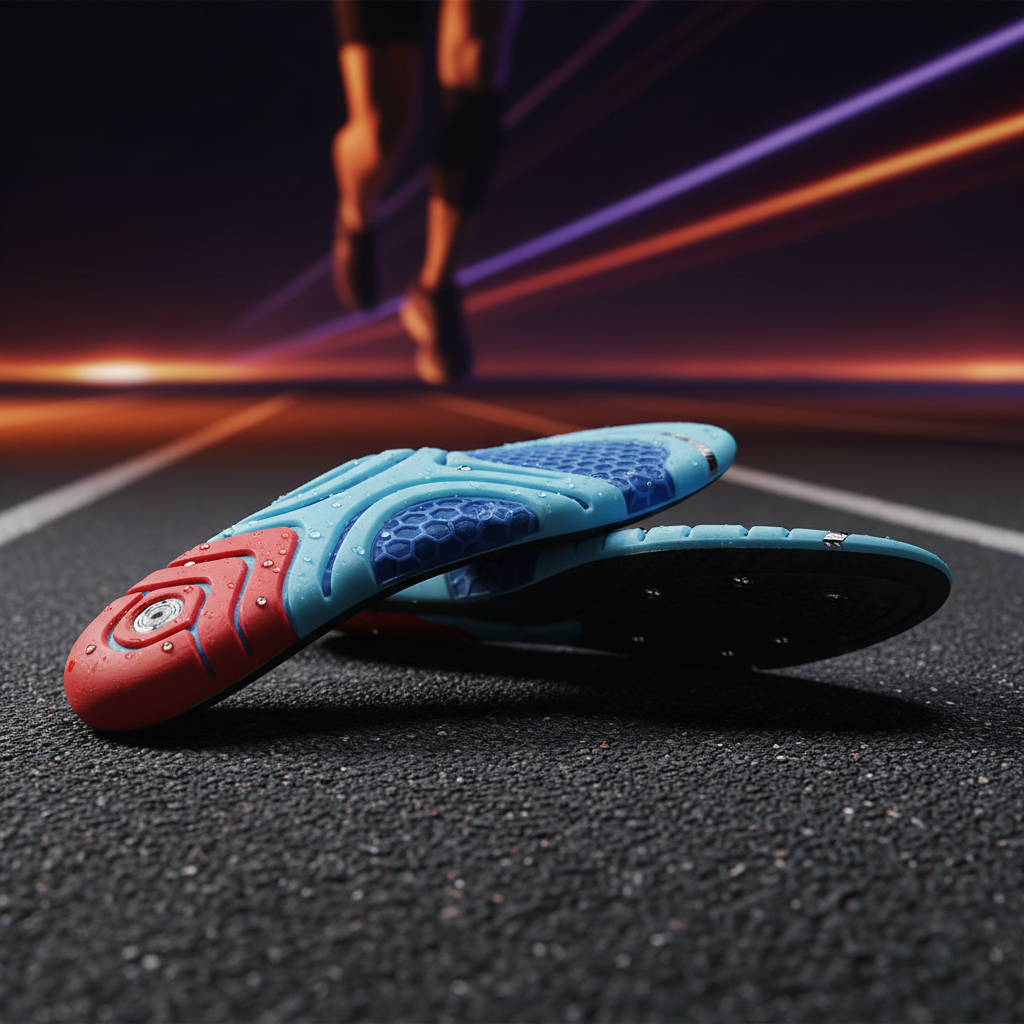
This deep dive tests premium and budget-friendly insole options to determine which provide the best combination of arch support, cushioning, and pain relief for runners dealing with common foot issues.
Every runner knows that the factory insoles in running shoes often fall short when it comes to providing adequate support for long miles. Whether you're battling plantar fasciitis, dealing with flat feet, or simply seeking better arch support to prevent injury, the right insole can transform your running experience. After extensive testing and analysis of customer reviews across multiple platforms, we've identified the top insoles that deliver real results for runners.
Running places tremendous stress on your feet, with impact forces up to three times your body weight striking with every stride. The plantar fascia—a thick band of tissue connecting your heel to your toes—can become inflamed and painful with repeated stress, leading to the dreaded plantar fasciitis. Quality insoles address this by providing crucial arch support that prevents overstretching, deep heel cups that stabilize your foot and absorb shock, and cushioning that reduces impact stress throughout your entire foot.
Many runners assume they need expensive custom orthotics, but research and expert opinions suggest that approximately 60 percent of people do well with over-the-counter insoles. These products have evolved significantly, offering semi-rigid support systems, heat-moldable materials, and targeted cushioning that rivals custom solutions at a fraction of the cost.
Amazon Link: Superfeet GREEN on Amazon
The Superfeet GREEN insole has remained largely unchanged since 1977, and for good reason—it simply works. In our testing, this insole stood out for its professional-grade support that doesn't compromise on comfort. The distinctive two-part construction features a stabilizer cap base topped with high-density closed-cell foam, creating a firm foundation that serious runners appreciate.
- Deep, structured heel cup provides maximum stability and natural shock absorption
- High arch profile that actively supports rather than just filling space
- Biomechanical shape helps reduce stress on feet, ankles, and knees
- Moisture-wicking top layer keeps feet fresh during long runs
- Durability backed by 12-month or 500-mile guarantee
Buyer Feedback: Amazon and specialty retailer reviews consistently praise the GREEN for plantar fasciitis relief. One verified buyer reported, "After my insurance rejected custom orthotics, my podiatrist recommended the Superfeet Green." Multiple runners noted significant pain reduction, with one user stating they went from needing a walking boot to hiking 12-hour days pain-free. The firm arch support requires a break-in period, but buyers report it's worth the adjustment.
The Superfeet GREEN works best in medium to high-volume shoes with removable insoles. Its 3mm foam footbed adds noticeable height, so runners with low-profile shoes should note this. Price point sits around $55, positioning it as a premium option that delivers professional-grade results.
Amazon Link: PowerStep Pinnacle on Amazon
Dubbed the "quintessential" arch support insole, the PowerStep Pinnacle strikes an ideal balance between firm support and plush cushioning. This makes it particularly appealing for runners who find pure support insoles too rigid. The semi-rigid arch shell allows natural foot flexion while maintaining support throughout your gait cycle.
- Semi-rigid arch support suitable for medium arches
- Moderate EVA foam cushioning throughout the entire footbed
- Deep heel cradle for stability without excessive bulk
- Slim profile fits most athletic shoes without crowding
- Available in multiple variations (high arch, low arch, with metatarsal pad)
Buyer Feedback: Walmart and specialty store reviews reveal the Pinnacle as a podiatrist favorite, with numerous customers reporting their doctors recommended or sold this exact model. One registered nurse working 10-hour shifts shared that PowerStep "significantly improved my plantar fasciitis symptoms for the past 2 years." Runners appreciate that these don't squeak like some custom orthotics and provide comfortable support without excessive firmness. Several reviews noted the arch placement works well for most foot types, though a few users with very specific arch shapes preferred Superfeet's gradual rise.
At approximately $40-50, the Pinnacle offers excellent value, especially considering many podiatrists sell the nearly identical ProTech version for $90 or more. The insoles require minimal break-in and fit well in standard running shoes.
Amazon Link: Sole Performance Medium on Amazon
For runners seeking a truly custom fit without the podiatrist's office visit, the Sole Performance Medium offers heat-moldable technology that shapes to your unique foot structure. The recycled cork and EVA foam construction provides an eco-conscious option that doesn't sacrifice performance.
- Heat-moldable or wear-moldable for custom arch support
- Zero-drop design from heel to forefoot promotes natural alignment
- 0.4-centimeter padding distributes weight evenly
- Polygiene antibacterial treatment reduces odor
- Works for all arch heights as it molds to your foot
Buyer Feedback: Gear review sites and customer testimonials highlight the moldability as a game-changer for runners with specific foot issues. The custom fit helps reduce knee stress and improves posture according to multiple verified buyers. However, trail runners note these can feel clunky when wet, making them less ideal for stream crossings or muddy conditions. The cork material requires proper care but offers excellent durability when maintained. Runners with plantar fasciitis particularly appreciate how the personalized arch support targets their specific pain points.
Priced competitively at around $50, the Sole Performance Medium delivers custom orthotic benefits at a fraction of the cost. The heat-molding process is straightforward—either use an oven following instructions or let your body heat gradually shape them through wear.
Amazon Link: Currex RunPro on Amazon
The Currex RunPro system takes a different approach by offering three distinct arch profiles (low, medium, high), allowing runners to select the exact support level their feet need. This targeted approach earned it recognition from professional running gear testers as a top choice for runners seeking precise arch support.
- Available in low, medium, or high arch support variants
- Triple support system targets arch, ball of foot, and heel
- 2-centimeter decoupled heel cup for stability
- Zero-drop design facilitates natural foot motion
- Dynamic flex allows responsive ground feel
Buyer Feedback: Professional gear testing sites noted these insoles excel at reducing foot fatigue during long runs and races. The arch-specific sizing resonates with runners who've struggled with one-size-fits-all solutions. Some users reported earlier-than-expected wear patterns, suggesting durability may not match premium options like Superfeet. However, the responsive feel and reduced impact on joints make them popular among marathon runners and ultra-distance athletes. The ability to choose your exact arch profile means better results from day one with minimal break-in required.
At approximately $60, Currex RunPro insoles sit at the higher end of the price spectrum. The investment pays off for runners who've struggled to find proper arch support with standard insoles.
Amazon Link: Dr. Scholl's Plantar Fasciitis on Amazon
For runners on a budget or those wanting to test whether insoles will help before investing in premium options, Dr. Scholl's Plantar Fasciitis insoles deliver surprisingly effective relief. The ShockGuard Technology and targeted arch support address the root causes of heel pain at a price point that won't break the bank.
- ShockGuard gel heel cup absorbs impact and reduces heel stress
- 3D targeted arch support prevents plantar fascia overstretching
- Full-length cushioning with no trimming required
- Polygiene odor control keeps insoles fresh
- 90-day money-back guarantee provides purchase confidence
Buyer Feedback: Amazon reviews reveal a divided audience—those with moderate plantar fasciitis report "instant relief" and significant pain reduction, while runners needing firmer arch support find them too flexible. One buyer noted, "I had instant relief when I wore these insoles" after months of stretching and icing provided minimal improvement. However, some runners working on concrete all day report the arch support lacks the rigidity necessary for severe foot conditions. The cushioned rather than firm arch makes these more suitable for prevention or mild cases rather than chronic pain.
At approximately $20-30, Dr. Scholl's offers the most accessible entry point. These work best for runners with neutral feet seeking extra cushioning and basic arch support, or as a trial option before committing to premium insoles.
Selecting the optimal insole depends on several factors specific to your feet and running style. First, identify your arch type—wet foot tests or consultations with running store staff can determine whether you have low, medium, or high arches. This fundamentally shapes which insole will work best, as arch support positioned incorrectly provides no benefit and may cause new problems.
Consider your primary concern: runners battling active plantar fasciitis benefit from firmer support like Superfeet GREEN or PowerStep Pinnacle, which actively stabilize the arch and prevent overstretching. Those seeking injury prevention or enhanced comfort might prefer the balanced approach of Sole's moldable options or Dr. Scholl's cushioned design. Volume matters too—insoles add 3-5mm of material to your shoe, so ensure your running shoes have removable factory insoles and adequate interior space.
Deep heel cups are crucial for runners, as they stabilize the foot during impact and help the natural fat pad beneath the heel absorb shock effectively. Look for insoles with heel cups at least 12-15mm deep. Materials also matter: EVA foam provides cushioning, cork molds to your foot over time, and rigid stabilizer caps offer structural support. Most premium insoles combine multiple materials for optimal performance.
Understanding the break-in process prevents premature insole abandonment. Most quality insoles require 1-2 weeks of gradual adaptation, especially firmer support models like Superfeet GREEN. Start by wearing them for 2-3 hours daily, progressively increasing duration as your feet adjust to the new support structure. Some discomfort is normal initially—your feet are literally being held in a different position, and supporting muscles need time to adapt.
However, joint pain in knees, hips, or lower back signals improper fit rather than normal adjustment. These symptoms mean the insole isn't right for your biomechanics, and you should try a different arch height or model. Heel or arch discomfort should steadily decrease, not increase, during break-in. If pain worsens after two weeks, reassess your choice.
Proper expectations include understanding insoles complement but don't replace proper footwear. Pairing orthotics with neutral running shoes (not stability shoes) prevents overcorrection. Also, insoles last 500-900 miles or approximately 12 months—they're not lifetime purchases. Replace them when you notice the foam compressing or the support feeling less effective.
While quality insoles provide significant benefits, comprehensive foot care addresses the complete picture. Regular calf and plantar fascia stretching prevents tissue tightness that contributes to heel pain. Rolling the bottom of your foot over a frozen water bottle combines icing with gentle tissue massage.
Proper running shoe selection remains fundamental—insoles enhance shoes but can't compensate for worn-out or ill-fitting footwear. Replace running shoes every 400-500 miles, and ensure adequate toe box width and length. Many runners find success combining quality insoles with supportive house slippers or walking shoes, as going barefoot on hard floors exacerbates plantar fasciitis.
For persistent pain despite quality insoles and proper footwear, consult a podiatrist or physical therapist. They can assess biomechanical issues, prescribe targeted exercises, and determine whether true custom orthotics are necessary. Remember that approximately 60 percent of runners find relief with over-the-counter options, but that remaining 40 percent may have conditions requiring professional intervention.
After extensive testing and review analysis, the Superfeet All-Purpose Support High Arch (GREEN) emerges as our top overall choice for serious runners dealing with plantar fasciitis or seeking maximum support. Its professional-grade construction, proven durability, and widespread podiatrist recommendations justify the premium price for runners logging serious weekly mileage.
For runners wanting balanced support with more cushioning, the PowerStep Pinnacle delivers exceptional value and comfort. Its semi-rigid design makes it immediately wearable for most runners, and the slim profile fits virtually any running shoe. Budget-conscious runners or those testing whether insoles help should start with Dr. Scholl's Plantar Fasciitis option—at under $30, it's a low-risk entry point that provides genuine relief for mild to moderate issues.
Runners with unique foot shapes or those who've struggled with standard insoles should invest in the Sole Performance Medium for its heat-moldable custom fit. And for runners who know their specific arch type and want targeted support, the Currex RunPro system delivers precise arch-specific performance.
Remember that finding the perfect insole often requires some trial and error. Take advantage of return policies, start with gradual wear schedules, and give your feet time to adapt. The right insole transforms running from painful to pleasurable, allowing you to focus on the miles ahead rather than the discomfort beneath your feet.