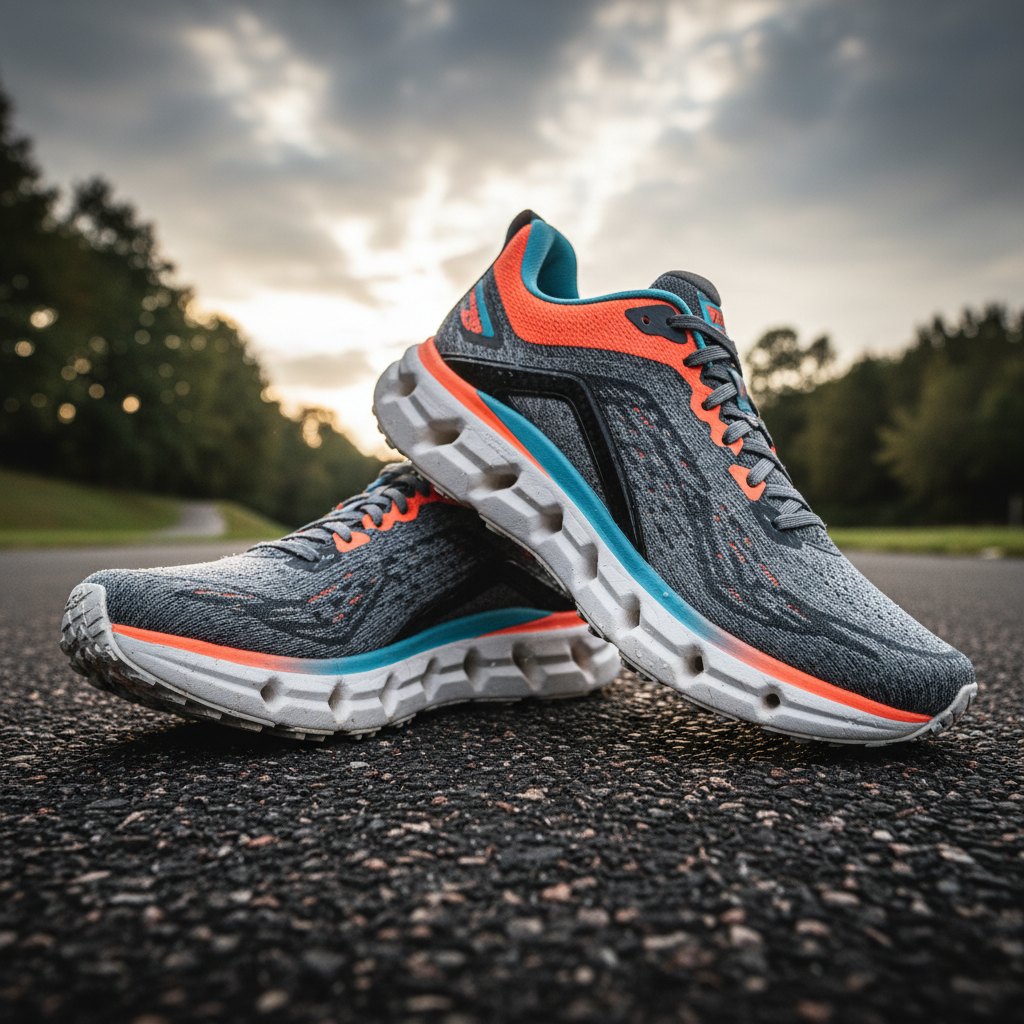
This deep dive compares the top marathon running shoes across different foot types and terrain preferences, evaluating cushioning technology, injury prevention features, and real-world durability through extended testing.
Marathon training demands more from your footwear than any other running pursuit. Over months of training and 26.2 miles on race day, the right shoes can mean the difference between a personal record and painful DNF. After analyzing expert reviews, lab testing data, and hundreds of user experiences, we've identified the top marathon shoes that deliver on cushioning, support, and durability.
Our recommendations come from extensive research across multiple authoritative sources, including Runner's World, iRunFar, RunRepeat's laboratory testing, and The Run Testers, who collectively logged thousands of test miles. We've also analyzed real-world buyer feedback from Amazon, Walmart, and specialty running retailers to understand how these shoes perform beyond the honeymoon phase.
The Nike Alphafly 3 (Women's - Men's) stands as the pinnacle of marathon racing technology. In extensive lab testing, the Alphafly 3 demonstrated exceptional propulsion capabilities, measuring 144.7% stiffer than average shoes—the level of stiffness designed for record-breaking performances.
Key Features:
- Two Air Zoom units in the forefoot that act as springs, contracting on landing and expanding at toe-off
- Full-length carbon fiber Flyplate for maximum propulsion
- ZoomX foam midsole with dual-density construction (18.1 HA softness in bottom layer, 29.3 HA firmness in top layer for stability)
- AtomKnit 3.0 upper with improved breathability
- Weight: Just 7.6 ounces (215 grams) for men's size 10
What Testers Say: Professional reviewers consistently praised the Alphafly 3's ability to maintain energy through marathon distance. One tester noted they completed 17 miles at marathon pace with minimal fatigue. The continuous midsole design (replacing the decoupled forefoot of previous versions) creates smoother transitions and improved stability.
What Buyers Report: Amazon reviewers highlight the secure, race-ready fit with one noting "the Alphafly 3 fits like a dream, hugging my feet in all the right places." However, some users mention the prominent arch may cause discomfort for runners with low arches, and the $285 price point is frequently cited as steep, though most agree the performance justifies the investment for serious marathoners.
Best For: Competitive runners chasing PRs, forefoot and midfoot strikers, marathon distances from half to full
Durability Note: While designed as a race-day shoe, testers report it holds up well for multiple races and key workouts, showing minimal outsole wear after 35+ miles.
The Adidas Adizero Adios Pro 4 (Women's - Men's) delivers elite-level performance at a more accessible price point. Lab testing revealed it offers the best energy return among marathon shoes, with its dual-layer Lightstrike Pro midsole and Energy Rods 2.0 achieving 51.3% greater stiffness than average without feeling overly rigid.
Key Features:
- Carbon-infused Energy Rods 2.0 for smooth heel-to-toe transitions
- Dual-layer Lightstrike Pro midsole (same foam used in world-record-setting performances)
- Ultra-grippy Continental rubber outsole
- Wide forefoot for enhanced stability
- Weight: 7.8 oz (220g)
What Testers Say: Experts note the Adios Pro 4's rocker feels "the most propulsive" compared to competitors, while the Lightstrike Pro delivers the bounciest ride. However, reviewers caution that the softer ride and cavity in the heel midsole make it less ideal for heel strikers or slower paces compared to its predecessor.
What Buyers Report: Users consistently mention the shoe's exceptional responsiveness and comfort during long efforts. The wider forefoot receives praise for accommodating natural foot splay during marathon distance, though narrow-footed runners note the 5.5mm-wider-than-average forefoot may feel loose.
Best For: Forefoot and midfoot strikers seeking maximum energy return, runners wanting elite performance at sub-$300 pricing
The Asics Superblast 2 (Women's/Unisex - Men's) earns its reputation as a "rotation killer"—a single shoe versatile enough to handle everything from recovery runs to race day. With no carbon plate yet delivering super shoe-like performance, it offers exceptional value for runners seeking one do-it-all shoe.
Key Features:
- Dual-density midsole: FF Turbo+ (PEBA-based superfoam) over FF Blast+ Eco
- Massive 45mm heel stack / 37mm forefoot for maximum cushioning
- AsicsGrip rubber for superior traction (same as trail shoes)
- Weight: 8.8 oz (250g)
- 8mm drop
What Testers Say: Lab testing revealed the Superblast 2 delivers stronger shock absorption in the forefoot than the heel—a rare quality that protects legs through marathon distance. Testers report the FF Turbo+ foam (18.5 HA softness) feels comparable to Nike's elite ZoomX foam. Multiple reviewers successfully used it for marathon training and race day, with one noting it "absolutely could be worn for a 4-hour marathon or take you through training and race day for the majority of runners."
What Buyers Report: After 200+ miles, users report the foam maintains its pop without getting mushy—crucial for durability. Amazon and retailer reviews consistently praise its versatility, with runners using it for everything from easy runs to tempo workouts. The $200 price draws some criticism, but many justify it by noting it can replace 2-3 specialized shoes. Wide-footed runners should note the narrow, snug forefoot fit.
Best For: Runners wanting one shoe for training and racing, long runs at varied paces, those seeking non-plated cushioning
Durability: Exceptional—testers estimate 400-500+ mile lifespan with maintained cushioning properties.
The Asics Novablast 5 (Women's/Unisex - Men's) delivers remarkable cushioning and versatility at $140—$60 less than the Superblast 2. Multiple expert sources recommend it as the best first marathon shoe, offering comfort and pop without overwhelming new marathoners.
Key Features:
- FF Blast Max midsole provides soft, bouncy ride
- 41.5mm heel / 33.5mm forefoot stack (8mm drop)
- Jacquard mesh upper with extra heel padding
- Mild rocker for smooth transitions
- Weight: 8.9 oz (251g)
What Testers Say: The Novablast 5 receives consistent praise as an everyday trainer that handles marathon training remarkably well. Runner's World experts note it provides "all the comfort and cushioning required to see you through months of training and race day itself." The softer ride compared to the Superblast 2 makes it more accommodating for slower, longer runs and heel strikers.
What Buyers Report: Users appreciate the immediate comfort—no break-in period required. The more cushioned upper compared to the Superblast 2 earns praise for all-day comfort. While it doesn't feel as fast as premium super trainers, runners training for 4+ hour marathons consistently report it as their go-to shoe. The greater rubber coverage on the outsole enhances durability.
Best For: First-time marathoners, runners prioritizing comfort over speed, training runs and race day for 4+ hour marathon pace
Value Proposition: Nearly identical weight to Superblast 2 but $60 cheaper with slightly softer, more protective ride.
The Brooks Glycerin Max (Women's - Men's) features a massive 45mm stack height—one of the tallest on the market. Its DNA Tuned foam technology creates multiple levels of cushioning without heavy seams or glues.
Key Features:
- DNA Tuned dual-cell, nitrogen-infused foam
- 45mm maximum stack height
- Plush, lower-density midsole
- Enhanced cushioning without weight penalty
What Testers Say: Runner's World's wear-testers gave the Glycerin Max high praise for "excellent padding and strong running performance" across all distances. Several testers note feeling faster in it compared to other max-cushioned shoes, despite the substantial stack height.
What Buyers Report: Users describe it as "supportive cloud" cushioning—soft but not sinky. The foam effectively absorbs impact, making it ideal for heavier runners or those needing maximum protection. Some find it less responsive for speed work but perfect for long, steady miles.
Best For: Heavier runners, those with joint concerns, ultra-cushioned comfort seekers
The Asics Gel-Kayano 31 (Women's - Men's) remains the gold standard for stability-focused marathon training. CNN's marathon testing panel highlighted it as offering the perfect balance of cushioning and support for overpronators.
Key Features:
- Plush cushioning with structured stability features
- Accommodates slight overpronation
- Generous cushioning for double-digit mileage
- Firm enough for shorter runs, soft enough for long distances
What Testers Say: One tester specifically appreciated how the Kayano 31 strikes a "Goldilocks balance"—not too soft, not too firm. The cushioning proved plush enough for long runs while maintaining responsiveness for shorter efforts.
What Buyers Report: Podiatrists frequently recommend the Kayano line, and users report reliable performance for marathon training blocks. The stability features help maintain form as fatigue sets in during long runs.
Best For: Overpronators, runners needing structured stability, those with slight biomechanical irregularities
The New Balance Fresh Foam X 1080v14 (Women's - Men's) prioritizes comfort and protection over speed—exactly what runners completing marathons in 4+ hours need. Expert sources consistently recommend it for those prioritizing completion over time.
Key Features:
- Full-length Fresh FoamX for consistent cushioning
- 39mm heel / 33mm forefoot (6mm drop)
- Engineered mesh with gusseted tongue
- Available in multiple widths (B, D, 2E, 4E)
- Weight: 10.5 oz (298g) for men's size 9
What Testers Say: Runner's World UK notes the 1080v14 feels "slightly less mushy" than previous versions while maintaining protective cushioning. The updated forefoot adds stiffness without sacrificing comfort, creating a more stable platform for tired legs in the later miles.
What Buyers Report: CNN's testing panel loved them for their previous marathon training and noted podiatrist recommendations. At $165, users appreciate the reasonable pricing for a shoe that reliably handles high-mileage training. The multiple width options earn consistent praise from runners with wider feet.
Best For: Slower-paced marathoners, first-timers prioritizing comfort, runners needing wide width options
Durability: Experts estimate 400-mile median lifespan with proper rotation.
The Saucony Endorphin Pro 4 (Women's - Men's) offers exceptional versatility as multiple expert sources note it works for all footstrike patterns and running speeds—rare among racing shoes.
Key Features:
- Carbon-fiber plate for propulsion
- PWRRUN PB cushioning
- Works for heel, midfoot, and forefoot strikers
- Superior stability compared to Nike Vaporfly 4
- Excellent breathability
What Testers Say: The Pro 4 receives praise for its versatile character, working well across different running styles and speeds. Runner's World comparisons note it delivers "similarly responsive rides" to the Vaporfly 4 for faster races while offering better stability.
What Buyers Report: Users report excellent wet-weather performance and confident cornering, even at speed. The shoe's ability to handle various footstrike patterns makes it accessible to more runners than elite-specific racers.
Best For: Versatile racers, runners with varying footstrike patterns, those wanting racing speed with training shoe adaptability
The Hoka Mach X2 (Women's - Men's) bridges the gap between daily trainer and racing shoe with its plastic plate and dual-density midsole, making it ideal for one-shoe runners who still want race-day speed.
Key Features:
- Plastic (not carbon) plate for durability
- Dual-density midsole: springy PEBA top layer, stable bottom layer
- Durable enough for daily training
- Fast enough for race day
What Testers Say: The Run Testers call it their "top pick" for super-trainers, praising how it "delivers most of the speed of carbon racers in more durable, stable designs that work for daily training runs." The plastic plate provides propulsion without the fragility of carbon, extending the shoe's usable lifespan.
What Buyers Report: Some users note the heel fit can be "fiddly," requiring adjustment to find the right lacing. Once dialed in, runners appreciate having one shoe that handles both marathon training miles and race day performance.
Best For: One-shoe runners, those wanting training durability with racing capability, runners seeking middle ground between cushioned trainers and carbon racers
Cushioning Technology: Modern marathon shoes utilize advanced foam compounds—PEBA-based foams (like Nike's ZoomX, Adidas' Lightstrike Pro, and Asics' FF Turbo+) offer superior energy return. EVA-based foams provide durability and cost savings but less responsiveness.
Stack Height: Higher stacks (40mm+) provide maximum cushioning but may feel unstable for some runners. Lower stacks (30-35mm) offer better ground feel and stability but less protection over marathon distance.
Carbon Plates vs. Plate-Free: Carbon-plated shoes offer 3-4% efficiency gains proven in independent studies, but cost more and have shorter lifespans (150-250 miles). Plate-free super trainers like the Superblast 2 can last 400+ miles while still delivering excellent performance.
Foot Strike Matters: Heel strikers benefit from stable heel counters and consistent cushioning. Forefoot strikers maximize benefit from shoes with Air Zoom units or aggressive rocker geometries.
Training vs. Racing: Many experts recommend using cushioned trainers for the majority of training miles, saving carbon-plated racers for key workouts and race day to preserve their limited lifespan.
Break-In Period: Remember the golden rule: nothing new on race day. Purchase race shoes 4-6 weeks before your marathon, wear them on several shorter runs and one long run to ensure proper fit without blisters.
When to Replace: Replace shoes every 300-500 miles depending on the model. Watch for compression trenches across the forefoot, loss of cushioning feel, or decreased responsiveness—all signs your shoes have reached their end.
For most marathoners, we recommend a two-shoe rotation: a durable daily trainer (Asics Superblast 2, Novablast 5, or Brooks Glycerin Max) for the bulk of training miles, plus a lightweight racer (Nike Alphafly 3, Adidas Adios Pro 4, or Saucony Endorphin Pro 4) reserved for key workouts and race day. This approach maximizes durability while ensuring fresh, responsive shoes when performance matters most.
First-time marathoners should prioritize comfort and durability over speed, making the Asics Novablast 5 or Brooks Glycerin Max excellent choices. Experienced runners chasing PRs will benefit from investing in elite racers like the Alphafly 3 or Adios Pro 4.
Remember: the best marathon shoe is the one that feels comfortable to you. Use these recommendations as a starting point, but always test shoes yourself, preferably with a gait analysis from a specialty running store, to find your perfect match for conquering 26.2 miles.