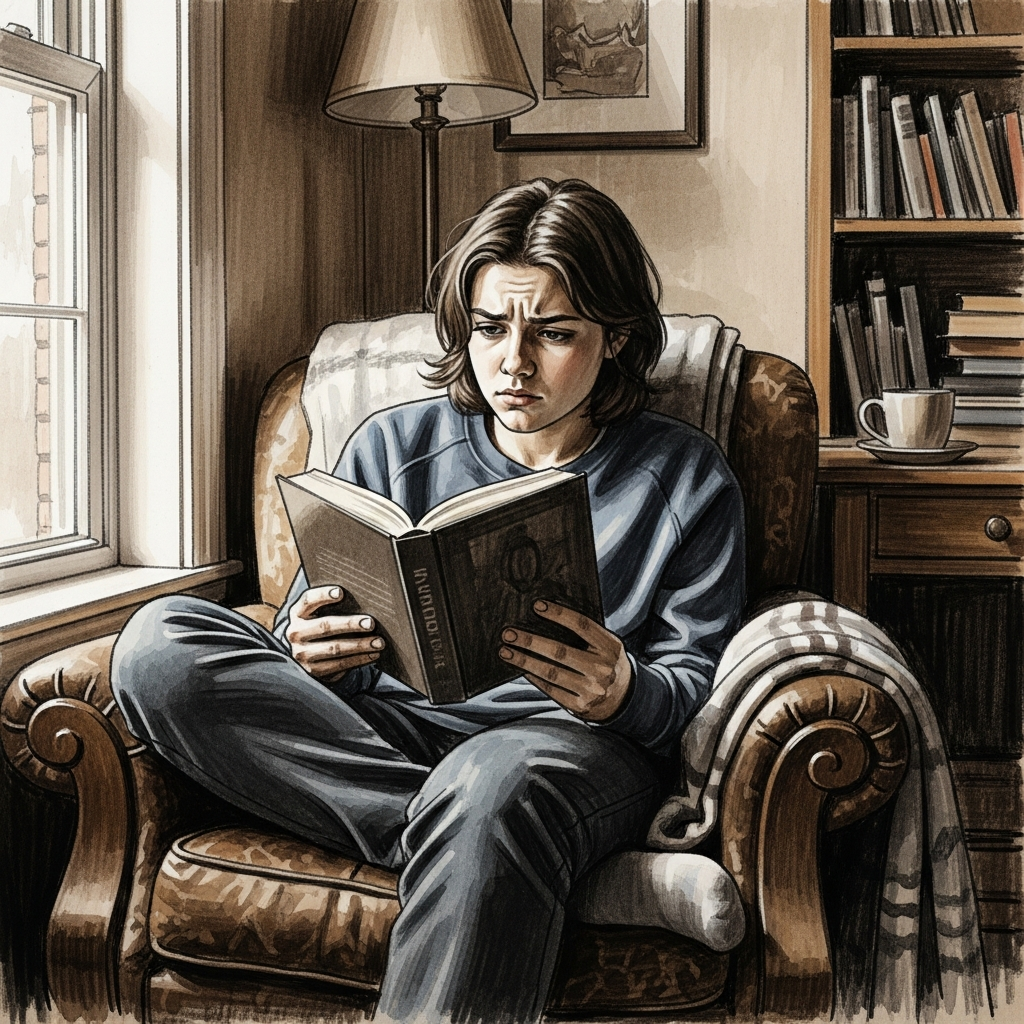
This article explores transformative coming-of-age stories that authentically capture the confusion, growth, and self-discovery of adolescence and young adulthood, celebrating novels where becoming yourself is the real adventure.
Adolescence is rarely a straight line from point A to point B. It is a jagged trajectory filled with detours, steep drops, and sudden ascents. The most resonant coming-of-age novels understand that growing up is not simply about aging; it is about the messy, confusing, and often painful process of shedding old skins to discover who you truly are underneath.
While many books tackle the subject of youth, only a select few capture the genuine emotional turbulence of that defining transition. These are the stories that do not shy away from the hard questions of identity, belonging, and moral awakening. Whether set in the suburbs of Pittsburgh, the marshes of North Carolina, or post-coup Nigeria, the following five novels offer profound insights into the universal struggle of finding one's place in the world.
Few modern classics have captured the dizzying highs and devastating lows of high school as intimately as Stephen Chbosky’s epistolary novel. Written as a series of letters to an anonymous friend, the story follows Charlie, an introverted freshman navigating the complexities of mental health, trauma, and first love.
What makes this novel enduring is its unflinching honesty. Chbosky portrays adolescence not as a nostalgic memory, but as a visceral, present-tense experience. Charlie’s journey is one of immense vulnerability. Through his eyes, we see the terrifying beauty of stepping out of the shadows and participating in life, rather than just observing it. Readers often describe the book as healing, noting that while it deals with heavy emotional themes, it ultimately offers a heartwarming message about the power of friendship and acceptance.
Buy The Perks of Being a Wallflower on Amazon
Authentic coming-of-age stories often require the protagonist to dismantle the world they thought they knew to build a new one. In Angie Thomas’s searing debut, sixteen-year-old Starr Carter moves between two worlds: the poor neighborhood where she lives and the fancy suburban prep school she attends. This uneasy balance is shattered when she witnesses the fatal shooting of her childhood friend Khalil at the hands of a police officer.
This novel is a masterclass in character growth. Starr’s evolution from a girl trying to keep her head down to a powerful voice for justice is achingly real. It is a story about the loss of innocence, but also about the gain of moral clarity. Thomas captures the specific pressures of being a young Black woman in America, creating a narrative that is both a gripping social commentary and a deeply personal story of family and self-definition.
Sometimes, the process of becoming is best told in fragments. Sandra Cisneros’s modern classic unfolds in a series of poetic vignettes narrated by Esperanza Cordero, a young Latina girl growing up in Chicago. Through these short, intense bursts of storytelling, we witness Esperanza’s observation of the women around her—those trapped by marriage, poverty, or violence—and her determination to invent a different future for herself.
The novel is a profound exploration of how our environment shapes us and how we, in turn, must struggle to define ourselves against it. Esperanza’s journey is one of artistic and personal awakening. She realizes that her voice is her way out, but also her way back—a means to help those who cannot leave. It remains a vital text for anyone trying to reconcile where they come from with who they want to become.
Buy The House on Mango Street on Amazon
Growth often requires breaking free from the very people we love the most. In this exquisite novel set against the backdrop of political turmoil in Nigeria, fifteen-year-old Kambili lives under the strict, terrifying rule of her religious fanatic father. Her life is regulated by schedules and silence until she is sent to stay with her aunt, where she discovers a home filled with laughter, debate, and freedom.
Chimamanda Ngozi Adichie paints a portrait of adolescence that is tender and bruising in equal measure. Kambili’s coming-of-age is marked by the slow, painful dismantling of her father’s authority and the blossoming of her own voice. It is a powerful examination of the complexity of family love, the trauma of repression, and the courage it takes to claim one’s own identity in the face of overwhelming expectation.
For some, coming of age is a solitary act of survival. Delia Owens’s novel introduces us to Kya Clark, the "Marsh Girl," who grows up isolated in the wilds of North Carolina after being abandoned by her family. The story is a unique blend of nature writing, murder mystery, and a poignant examination of loneliness.
Kya’s journey is distinct because her primary teacher is the natural world. Her growth is shaped by the rhythms of the marsh rather than the social structures of school or family. Readers have been captivated by the juxtaposition of the landscape’s exquisite beauty against Kya’s profound yearning for connection. It is a heartbreaking reminder that we are forever shaped by the child within us, and that the struggle for acceptance—even for those who retreat from society—is a fundamental part of the human experience.
Buy Where the Crawdads Sing on Amazon
These five novels demonstrate that there is no single way to grow up. Whether it involves writing letters to a stranger, speaking out against injustice, or learning to trust others after a lifetime of solitude, the journey of becoming is the ultimate adventure. These stories validate the confusion and the pain of that process, reminding readers that the messiness of growth is not a flaw, but a necessary part of the breakthrough.